Christmas Tree Joy Embroidery Design
A Designer’s First Look: Warm, Whimsical, and Ready for Real Stitching
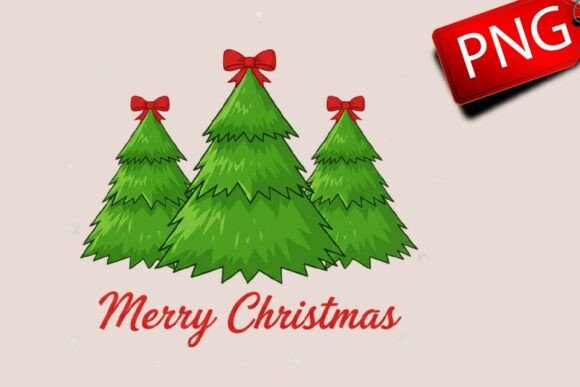
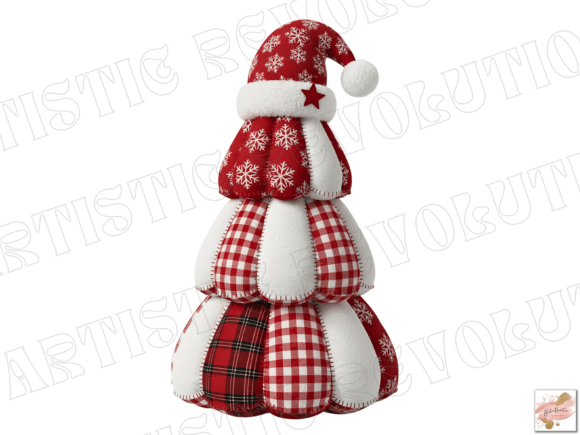
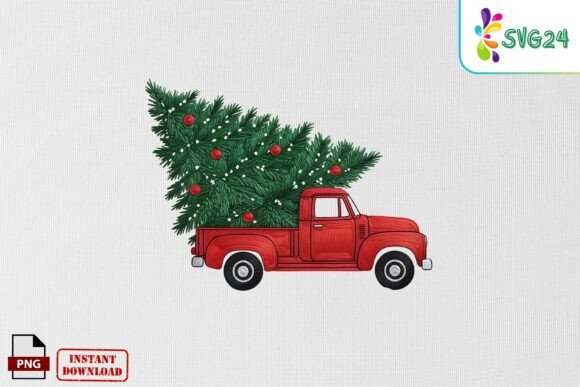
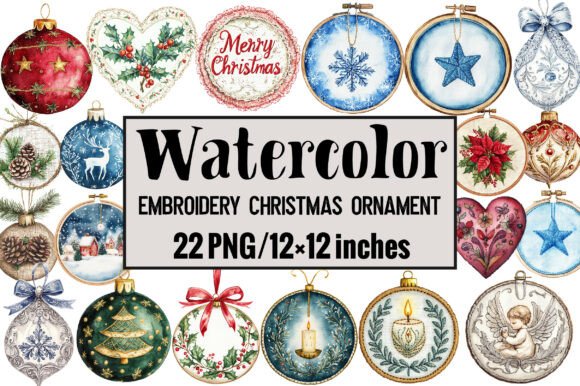
Opening Christmas Tree Joy Embroidery Design feels like unwrapping a small holiday gift—there’s an immediate sense of warmth and quiet celebration. At 12 inches × 12 inches and 300 DPI, this is clearly built for clarity and scale, not just screen viewing. As an illustrator and embroidery designer who’s tested hundreds of digital files for client work and small-batch production, I appreciate how the composition balances simplicity with personality: a centered, slightly stylized tree with soft tapering branches, gentle ornament clusters, and subtle texture cues that suggest stitch-friendly depth—not overworked detail. It reads as joyful but not cloying, traditional but not stiff. That matters when you’re stitching it onto a linen tea towel for a boutique kitchen line or embroidering it on a baby onesie for a holiday gift box.
Where It Shines: Real Projects That Feel Intentional
I recently used Christmas Tree Joy Embroidery Design to create a limited run of organic cotton tote bags for a local craft fair. The result? A clean, elevated holiday piece that stood out among busier, flashier designs. Why? Because its balanced negative space lets the stitching breathe—and customers responded to that calm confidence. It works especially well for:
- Custom apparel: On midweight sweatshirts and structured canvas aprons, the proportions hold up beautifully without distortion.
- Embroidered patch creation: Clean outer edges and moderate stitch density mean clean cut-and-sew results without fraying or bulk.
- Baby embroidery: Gentle curves and no fine lettering make it safe and soothing for onesies, burp cloths, and nursery pillows.
- Holiday gifts and boutique merchandise: Its illustration-style charm translates seamlessly into printable mockups for Etsy listings or Instagram product previews.
- Small shop branding: Paired with minimalist typography, it adds seasonal warmth without overwhelming your shop’s visual voice.
Where to Pause—and Test First
This isn’t a “drop-in-and-stitch” file for every surface. As a working embroidery designer, I’ve learned that even lovely graphics need context. Christmas Tree Joy Embroidery Design demands thoughtful placement and prep in these situations:
- Curved or tight surfaces: Caps and beanies require significant digitizing adjustments—this file wasn’t built for that geometry. Don’t force it onto a curved hoop without testing on scrap first.
- Thin or stretchy fabric: Lightweight knits or rayon blends may pucker under dense fill stitches unless paired with cutaway stabilizer and reduced tension.
- Dark or textured backgrounds: While the design has strong silhouette definition, thread color contrast becomes critical on charcoal towels or burlap—always test black/white mockups before finalizing thread choices.
- Small hoop sizes: At full 12×12”, it won’t fit standard 4×4 or 5×7 hoops without scaling down. If you’re using it for baby items or pocket-sized patches, confirm how cleanly it resizes—especially around ornament details.
What It Adds to Your Finished Product—Beyond the Stitch
Using Christmas Tree Joy Embroidery Design doesn’t just add decoration—it quietly elevates perception. On a handmade kitchen towel, it signals care and intentionality. On a personalized sweatshirt for a family photo session, it feels cohesive and celebratory—not generic. Customers notice that difference. For Etsy sellers and craft business owners, that translates directly to higher perceived value, stronger brand consistency, and repeat engagement. It also supports professionalism: because the layout avoids overcrowding and maintains generous spacing, it photographs well in natural light and holds up across digital thumbnails and printed hang tags. As an Illustrations asset, it bridges graphic design and textile craft—making it versatile for both physical embroidery projects and digital design assets like social banners or email headers.
Practical Designer Notes Before You Stitch
Before committing to your first run—or listing a finished product online—here’s what I do every time with a new embroidery file like Christmas Tree Joy Embroidery Design:
- Run a test on scrap fabric that matches your final substrate—same weight, same weave, same stretch.
- Check thread color contrast against both light and dark fabric swatches; sometimes a warm cream thread reads better than stark white on natural linen.
- Review stitch density visually—zoom in on the PDF or vector preview to spot potential nesting or overly tight satin stitch zones.
- Confirm hoop size compatibility and whether scaling will affect ornament clarity or branch taper.
- Inspect small details—like tip ends or ornament highlights—to ensure they’ll resolve cleanly at your target size.
- Test in black and white mockups to assess silhouette strength before adding color variables.
- Use appropriate stabilizer: medium-weight cutaway for knits, tear-away for stable wovens, and fusible + tear-away for lightweight linens.
- Verify licensing terms before selling finished embroidered goods or bundling the file in digital product kits—this is especially critical for Etsy sellers and digital embroidery file resellers.
Final Thought: A Thoughtful Holiday Anchor
Christmas Tree Joy Embroidery Design isn’t flashy—but it’s reliable, expressive, and deeply usable. In a season crowded with overdesigned motifs, it offers breathing room, visual warmth, and real-world flexibility. Whether you’re stitching one custom pillow cover for a client or producing 50 embroidered tea towels for your holiday shop launch, this design supports craftsmanship—not competition. It belongs in your folder of go-to Graphics that earn trust, not just attention. And that, for any maker or creative entrepreneur, is the kind of joy that lasts well past December.