Doggie: A Whimsical Pup That Works—When You Choose the Right Project
First Impressions: Sweet, Simple, and Surprisingly Versatile
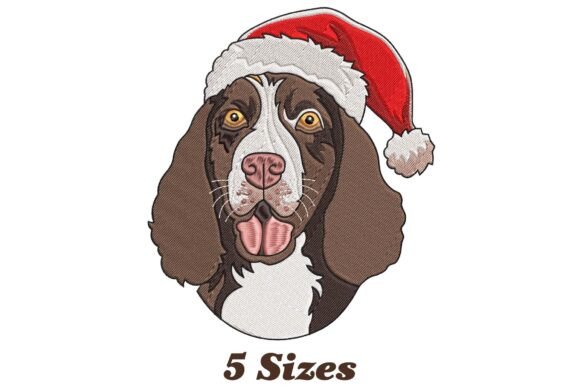
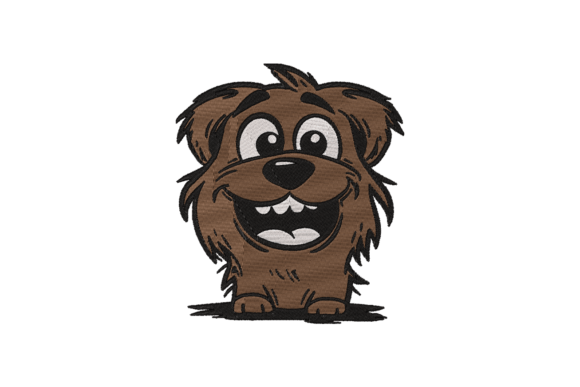
Opening Doggie for the first time, I didn’t see a “cute dog”—I saw a design with quiet confidence. It’s not overly detailed or fussy; instead, it leans into clean silhouette energy with gentle curves, soft ears, and just enough facial expression to feel alive—not cartoonish, not clinical. The charm isn’t in complexity but in balance: rounded forms that read clearly at 3–4 inches, open negative space around the head and paws, and a posture that suggests playfulness without chaos. This isn’t a show-stopping portrait—it’s a friendly, approachable companion motif. And that’s exactly why it lands so well on real handmade products.
A Real-World Test: Embroidering Doggie on a Linen-Cotton Kitchen Towel
Last week, I stitched Doggie onto a natural linen-cotton blend tea towel for a small-batch holiday pop-up. No appliqué, no background fill—just the core design in two thread colors (charcoal gray satin stitch for the body, creamy ecru for the muzzle) on a light tan ground. The result? Instant warmth. Customers paused, smiled, and asked, “Is that a breed?” Not because it’s hyper-realistic—but because it *feels* like a real pup you’d want to pet. That emotional resonance is rare in machine embroidery designs under 5,000 stitches. It translated beautifully into a tactile, gift-ready item—not just decoration, but personality.
Where Doggie Shines (and Where It Asks for Thoughtful Handling)
Doggie thrives where clarity and charm matter more than photorealism:
- Custom apparel: Perfect for sweatshirt chest placements or toddler onesies—its proportions hold up even when scaled down to 2.75".
- Embroidered patch: Clean outer edges and moderate stitch density make it ideal for iron-on or sew-on patches on denim jackets or backpacks.
- Holiday embroidery: On Christmas stockings, ornaments, or baby’s first stocking—its whimsy feels seasonal without being cliché.
- Baby embroidery: Gentle lines and no sharp angles suit onesies, burp cloths, and crib blankets—especially in soft pastel thread colors.
- Tote bag design: Stitches crisply on medium-weight canvas, and the shape reads from across a craft fair aisle.
But here’s where attention matters:
- Small hoop sizes: Below 3" wide, fine details like the inner ear curve or muzzle line may blur—test before committing to tiny placements.
- Textured or stretchy fabric: On terry cloth towels or lightweight knits, use cutaway stabilizer and reduce top tension slightly—Doggie’s satin stitch areas can pucker if unsupported.
- Dark fabric: Its subtle contouring relies on tonal contrast. On navy or charcoal, choose thread one or two shades lighter—not stark white—unless you want high-contrast graphic impact.
- Curved surfaces: Caps and beanies require re-hooping finesse. Avoid placing Doggie directly over seams or deep crowns unless you’re confident in your machine’s push-pull compensation.
What Doggie Adds to Your Finished Product—Beyond Just “Cuteness”
This isn’t filler. When stitched thoughtfully, Doggie elevates perceived value. On an Etsy listing for personalized baby gifts, it signals care—not just speed. On a boutique apron, it adds warmth without overwhelming the garment’s function. For craft fair shoppers, it sparks conversation (“Is that your dog?” “My grandma had one just like him!”). That kind of engagement builds trust faster than any product description.
It also supports brand consistency. If your shop leans into gentle, handmade authenticity—not loud, mass-market graphics—Doggie fits right in. It doesn’t shout. It invites. And that makes it unusually effective for repeat customers who return for “more of that same cozy feeling.”
Practical Designer Notes Before You Stitch
Before adding Doggie to your next embroidery project—or listing it as part of your digital embroidery file collection—run through these checks:
- Test on scrap fabric matching your final material, especially if using textured weaves or blends.
- Review stitch density visually—no dense fill stitch clusters that could cause stiffness or thread breakage on lightweight items.
- Confirm hoop size compatibility. Does it fit comfortably in your most-used hoop with ¼" margin all around?
- Inspect small details at actual stitch-out size: Are eyes legible? Does the tail taper cleanly? Zoom in on your embroidery software preview.
- Try black-and-white mockups—not just color. Does the shape retain its friendliness in monochrome?
- Compare light and dark backgrounds side-by-side. Some thread combos vanish on certain fabrics.
- Use appropriate stabilizer: Tear-away for stable wovens, cutaway for knits or towels.
- Verify licensing before selling finished items or bundling Doggie into design assets—especially for commercial embroidery or digital product resale.
Final Thought: Doggie Isn’t Just a Design—It’s a Conversation Starter
In my 12 years designing for craft businesses and reviewing embroidery files, I’ve seen hundreds of dog motifs. Most fade into background noise. Doggie doesn’t. It carries mood, memory, and quiet intention. Whether you’re stitching it on a nursery pillow cover, prepping a batch of embroidered patches for your Etsy shop, or building a cohesive line of holiday kitchen textiles—this design earns its place. Not because it’s flashy, but because it’s honest, adaptable, and genuinely enjoyable to stitch and receive. That’s the mark of a keeper.