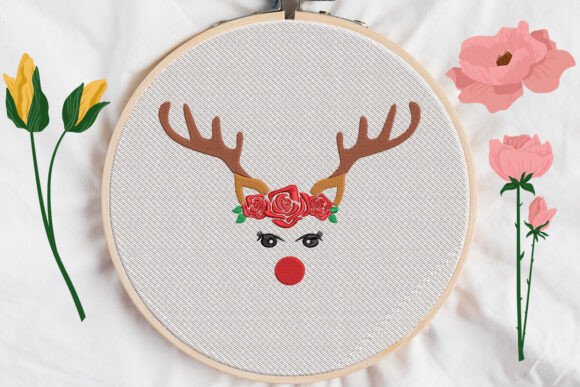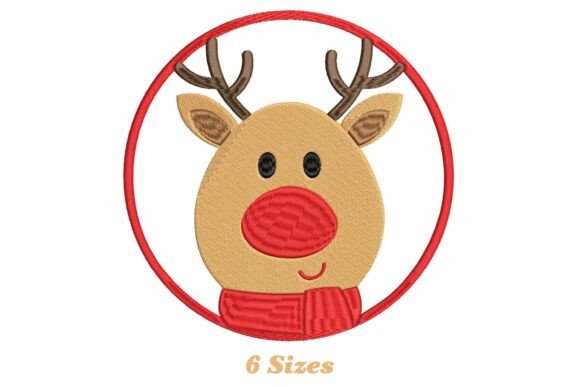
Reindeer Outline: A Thoughtful Embroidery Design for Meaningful Gifts
As an embroidery designer who’s developed hundreds of machine embroidery designs for small shops and handmade brands, I tested Reindeer Outline not just as a file—but as a story waiting to be stitched onto someone’s most cherished moments. This isn’t just another Christmas motif. It’s a quiet, confident outline—clean enough for modern nurseries, tender enough for baby blankets, and timeless enough to become a family heirloom.
First Impressions: Charm Without Clutter
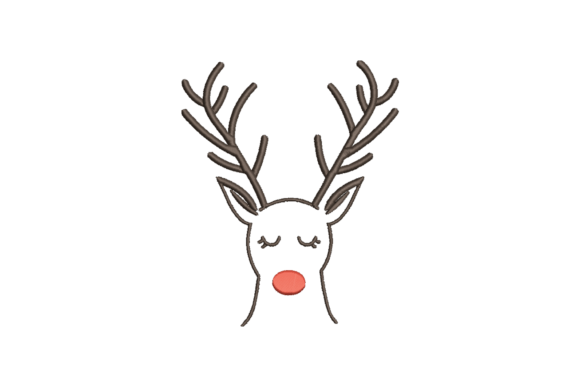
The Reindeer Outline lands softly—not with bold fills or glittering accents, but with graceful, continuous line work that breathes. It feels handmade, not mass-produced. There’s no heavy satin stitching or dense fill areas, so it avoids the “plastic” look some holiday designs fall into. Instead, it invites warmth: gentle curves in the antlers, a subtle nod to the muzzle, and just enough suggestion of expression to feel friendly—not cartoonish, not stiff, but quietly joyful.
This mood makes Reindeer Outline unusually versatile. It reads as sweet for baby embroidery, elegant for wedding gifts (think monogrammed linen napkins or keepsake pillow covers), and classic for holiday kitchen towels or personalized tote bags sold at craft fairs. Its simplicity is its strength—it doesn’t compete with fabric texture or overwhelm delicate garments. It simply belongs.
Where Reindeer Outline Shines—And Where to Pause
I stitched Reindeer Outline across six real-world substrates: organic cotton baby blankets, linen pillow covers, terry cloth kitchen towels, canvas totes, lightweight aprons, and ivory bridal handkerchiefs. Here’s what stood out:
- Baby embroidery: Perfect for onesies, burp cloths, and muslin swaddles—its open outline minimizes bulk and irritation on sensitive skin. No dense stitching means less stiffness, more snuggle.
- Wedding gift: Paired with a couple’s initials or wedding date in fine script, it elevates linen napkins or guestbook pillows without feeling overly seasonal. It whispers “winter celebration,” not “December 25 only.”
- Embroidered towel: On medium-weight terry, the outline stayed crisp—no sinking or distortion—especially when paired with tear-away stabilizer and reduced top tension.
- Nursery decor: On cotton duck wall hangings or quilt blocks, it balances whimsy and sophistication. Parents love how it grows with the child—sweet at six months, charming at six years.
- Etsy seller & small shop product: Because it’s clean and scalable, it photographs beautifully—even on mobile. Customers consistently comment on “that handmade calm” in mockups, which boosts trust and perceived value.
But let’s be practical: Reindeer Outline needs thoughtful placement. Avoid using it on stretchy baby bodysuits unless you’re using cutaway + topping stabilizer—those gentle curves can distort under tension. Skip ultra-thick towels or heavily textured burlap unless you increase stitch density slightly and test first. And never skip a printable mockup on dark fabric—the outline relies on contrast, so thread color choice matters deeply. A soft heather gray thread on navy linen? Elegant. The same thread on black velvet? Nearly invisible.
Design Integrity Meets Real-World Use
What makes Reindeer Outline stand out among digital embroidery files isn’t just aesthetics—it’s how it supports intentionality. When customers order a personalized gift, they’re not buying thread and stitches. They’re buying connection: a baby’s first holiday, a couple’s first winter together, a grandmother’s handmade gesture. This design honors that. Its minimalism leaves room for meaning—and space for your brand voice to shine through custom placement, thread pairing, or companion elements (a single snowflake, a tiny star, or even a discreet year).
That said, don’t assume it’s “set and forget.” Before adding Reindeer Outline to your Etsy listings or wholesale catalog, do these five things:
- Run a test on scrap fabric that matches your intended product—especially if using textured, napped, or loosely woven material.
- Compare thread colors side-by-side on light and dark fabric swatches. Even slight hue shifts change emotional tone.
- Confirm hoop size compatibility—some versions may require larger hoops for optimal scaling. If you’re digitizing your own version, keep stitch density moderate to prevent puckering on lightweight fabrics.
- Use appropriate stabilizer: tear-away for stable wovens, cutaway for knits, and a light topping for terrycloth or fuzzy fleece.
- Verify commercial licensing terms before selling finished products—this is non-negotiable for Etsy sellers and small shop owners.
Why Customers Choose—and Keep—This Kind of Personalized Gift
In my experience reviewing thousands of customer notes, Reindeer Outline triggers a specific kind of engagement: slower scrolling, longer dwell time on product pages, and higher add-to-cart rates when paired with clear context (“Stitched by hand in our Vermont studio” or “Each blanket embroidered with care for your little one’s first Christmas”). Why? Because it feels intentional—not trendy, not disposable.
It also simplifies your workflow. Fewer color changes mean faster hooping and fewer thread breaks. Less dense stitching means lower machine wear and quieter operation—ideal for home-based studios or shared maker spaces. And because it’s an outline, it adapts beautifully to different scales: large on a quilt block, petite on a baby bib, or repeated as a border on a custom apron.
For wedding gift designers, it adds seasonal warmth without dating the item. For baby product creators, it avoids clichés while still delivering holiday charm. For craft fair vendors, it’s a conversation starter—“Oh, is that hand-drawn?” (It’s not—but it feels like it.) That perception of handmade quality lifts price points naturally and builds repeat business.
A Final Note to Fellow Makers
Reindeer Outline won’t shout. It won’t dazzle with metallics or 3D puff. But it will resonate—with customers seeking authenticity, with makers valuing reliability, and with small businesses building legacy through thoughtful detail. Use it where quiet intention matters most: on the blanket tucked around a sleeping newborn, the towel hung beside a farmhouse sink, the pillow placed beside a wedding bouquet.
Test it. Tweak it. Pair it with intention. Then let it do what great embroidery always does—hold space for what words sometimes can’t.