Christmas Stocking Embroidery Design Review
A Festive, Flexible Asset for Small Business Merch
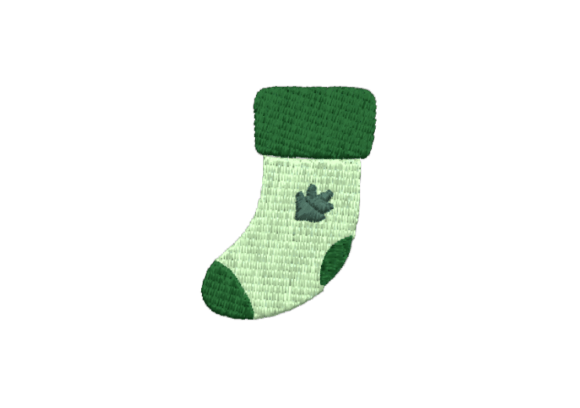
As an embroidery designer who’s developed hundreds of commercial designs for cafés, boutiques, bakeries, florists, and handmade brands, I approached Christmas Stocking with a practical eye—not just holiday cheer. The title signals clear seasonal intent, and the description confirms it’s a versatile machine embroidery design meant for towels, shirts, blankets, and beyond. First impression? It reads as classic yet approachable: not overly ornate, not minimalist to the point of sterility—just warm, recognizable, and inherently handmade product-friendly. That balance makes Christmas Stocking a strong candidate for small business merch where authenticity and professionalism must coexist.
Where Christmas Stocking Shines in Real Business Use
This embroidered patch works exceptionally well when applied intentionally—not as filler, but as intentional brand punctuation. For a local café launching holiday mugs and aprons, Christmas Stocking adds charm to chest pockets or sleeve cuffs without overwhelming the uniform. A florist can stitch it onto reusable tote bags as a subtle seasonal signature—small enough to complement floral monograms, bold enough to read at arm’s length. On caps? Yes—but best reserved for the back strap or side panel unless scaled carefully (more on that below). For Etsy sellers, it’s ideal as a limited-edition digital embroidery file bundled with holiday-themed apron kits or gift sets. And for pet brands or bakeries, pairing Christmas Stocking with a custom tagline (“Baked with Love” or “Paws & Presents”) creates cohesive, memorable custom apparel that customers photograph and share.
Apron Embroidery & Staff Uniforms: Warmth Without Clutter
Christmas Stocking excels on cotton or linen aprons—fabrics that hold detail well and align with artisanal positioning. Its outline-based structure avoids excessive fill stitches, keeping stitch density manageable for daily laundering. When placed on the bib or lower corner, it reinforces brand identity while feeling personal, not corporate. Staff wearing these uniforms project approachability and seasonal goodwill—critical for customer trust during high-traffic holiday periods.
Tote Bag Design & Product Packaging Accents
On canvas or heavy twill totes, Christmas Stocking scales beautifully at 3.5–4 inches wide. It reads cleanly from a distance, supports visual consistency across a holiday collection, and pairs naturally with woven labels or printed tags. As a packaging accent—say, stitched onto the corner of a gift box sleeve or reusable cloth bag—it elevates perceived product value without requiring premium materials.
Use With Intention: Where Caution Applies
Like any effective embroidery file, Christmas Stocking has boundaries. Avoid placing it on cap fronts smaller than 2.25 inches wide—fine details like toe curls or ribbing may collapse or become indistinct. Curved surfaces (like structured baseball caps or contoured tote handles) demand careful digitizing review: check if outlines stay crisp and whether underlay compensates for fabric stretch. On dark uniforms, confirm thread color contrast—red-and-green combos fade into legibility issues unless balanced with cream, gold, or white accents. Also verify spacing between elements; tight internal gaps risk skipped stitches on textured fabric or low-thread-count cotton.
How Christmas Stocking Strengthens Brand Identity
In a crowded holiday market, consistency is credibility. When Christmas Stocking appears identically across staff aprons, customer totes, and boutique merchandise, it becomes a quiet anchor for your brand identity. It signals attention to craft—not just decoration—and subtly reassures buyers that your small business values quality execution. Unlike generic clipart, a well-digitized Christmas Stocking conveys care in production, which translates directly to perceived professionalism and buyer engagement. For handmade brands especially, it reinforces authenticity: this isn’t mass-produced; it’s thoughtfully integrated.
Practical Embroidery Designer Notes Before Production
- Always test in black and white first. This reveals contrast issues, hidden overlaps, and unintended shadows before committing to thread colors.
- Check performance at small patch size. Resize to 2 inches and run a sample—does the heel definition hold? Does the cuff maintain shape?
- Review thread color contrast on target fabric. What reads boldly on white linen may vanish on charcoal twill.
- Inspect spacing and density. Tight loops or narrow stems can cause tension problems—especially on knit fabrics or lightweight blends.
- Confirm hoop size compatibility. Ensure your frame accommodates the largest version without re-hooping mid-stitch.
- Test on real fabric with proper stabilizer. Cutaway works best for structured items like caps; tear-away suits towels and totes.
- Create a printable mockup for client approval. Visual context matters—show Christmas Stocking on a real apron or tote, not just a white background.
- Compare beside other design assets. Does it harmonize with your logo, typography, and existing holiday palette?
- Verify commercial licensing before business use. Confirm the digital embroidery file permits resale, branded goods, and unlimited runs—don’t assume.
Final Thought: A Strategic Seasonal Tool
Christmas Stocking isn’t just festive decoration—it’s a functional, scalable element of your holiday merch strategy. When used with intention across embroidered patches, aprons, caps, and tote bags, it strengthens recognition, deepens emotional connection, and quietly affirms your brand’s craftsmanship. For small business owners and embroidery shops alike, it’s a reliable, adaptable machine embroidery design that delivers both warmth and professionalism—exactly what customers remember long after the tinsel comes down.